

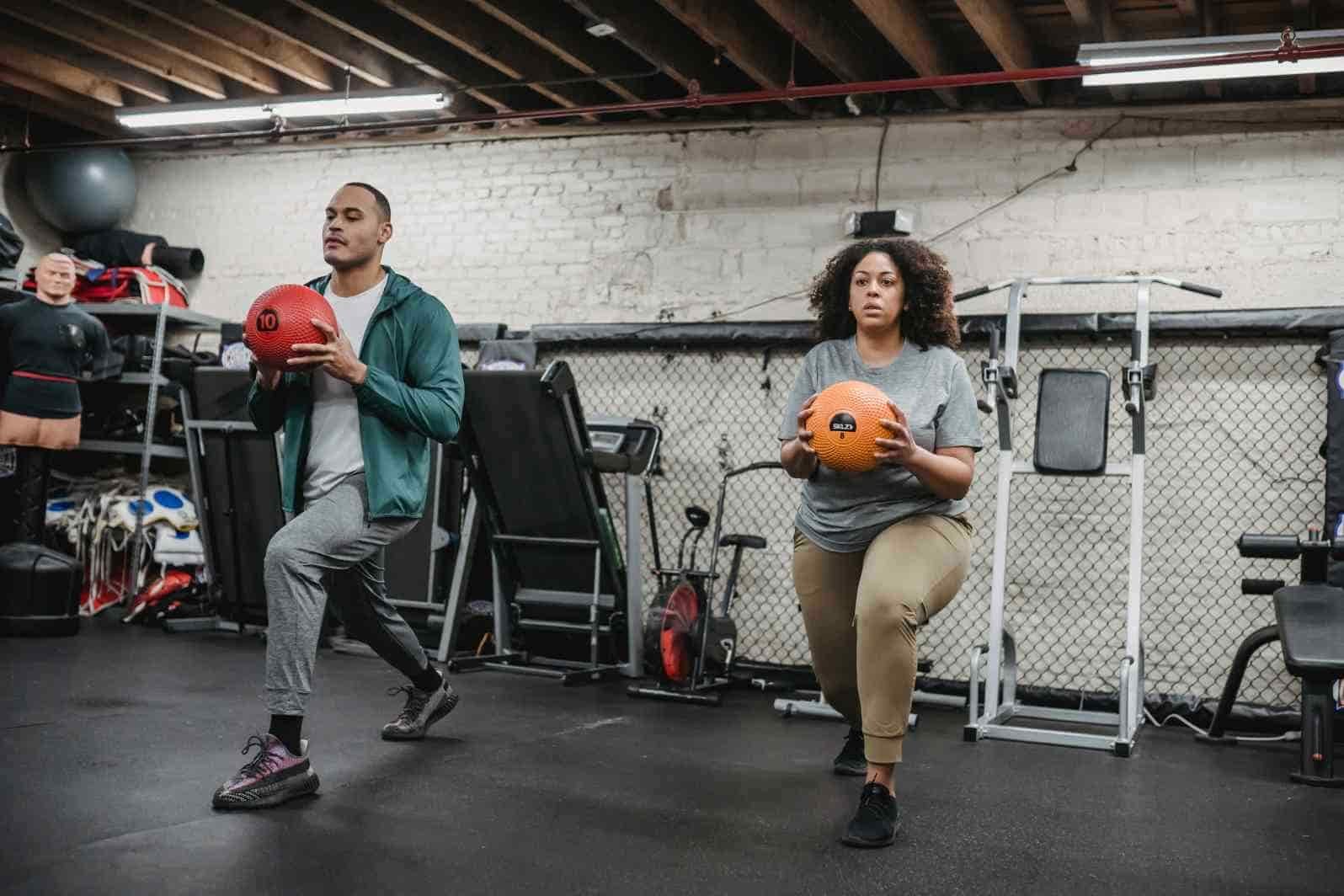
As fitness trends shift away from appearance and rigid workouts toward the practicality of health and long term physical fitness, more young adults are focusing on functional fitness. Functional fitness is one of the fastest growing movements in fitness today focusing on exercises to improve strength balance flexibility endurance and everyday movement skills.
While most gym workouts focus on isolated muscles, functional fitness trains your body to move in real life. This approach is becoming popular among young adults as it encourages active lifestyles and helps prevent injury, while improving physical performance. With the increased awareness towards health, functional fitness is carving a significant niche into modern day wellbeing culture.
1. Understanding Functional Fitness
Functional fitness is a type of training that uses movements they engage in during daily life. Natural movement patterns facilitate coordination, balance, flexibility and total body strength through this workout regime.
This includes common exercises like squats, lunges, pushing, pulling, lifting or strengthening your core.
2. Reason Young Adults Are Opting Functional Fitness
Functional fitness is popular among young adults because it promotes physical health and enables better use of the body in carrying on daily activities. It offers more than traditional bodybuilding workouts.
Functional fitness is growing in popularity partly due to the following few major raisons:
- Improved overall strength
- Better mobility and flexibility
- Reduced injury risk
- Support for active lifestyles
These advantages are what makes Functional training appealing for new-age fitness.
3. Focus on Real Life Movement
Activities of Daily Living: Functional fitness allows you to do common activities, like getting up from a chair or taking groceries into the house, more easily with less risk of injury. The movements that are performed during a workout generally match such actions as climbing, lifting, bending and carrying.
This enhances the coordination of the body and performance.
4. Better Mobility and Flexibility
A lot of functional workouts mix stretching, stability training, and total-body movements.
It helps improve flexibility, posture and mobility of the joints while reducing physical stiffness.
5. Full Body Workout Benefits
Wide variety of body and exercise groups: Functional training typically works a whole bang of muscle at one time. This results in a more even physical development and leads to greater endurance overall.
Those workouts that are dynamic and effective in time use these are many people choice.
6. Growing Popularity of Group Training
Most functional fitness programs can be found under group classes and in fitness communities. Group training creates motivation, accountability, and the social element.
These functional fitness goals are all things fitness experts often emphasize:
- Improving body movement efficiency
- Building balanced strength
- Increasing flexibility and endurance
- Supporting long term physical wellness
This goal setting supports more healthy habits into your fitness routine.
7. Injury Prevention and Recovery Support
Functional training makes muscles stronger and enables them to work together effectively, so you are less likely to get injured as a result of playing sports or participating in daily activities.
Several rehabilitation programs also integrate functional exercises targeted towards promoting recovery.
8. Challenges of Functional Fitness Training
While functional fitness can offer a lot of benefits, it is not without some challenges:
- Need for proper exercise technique
- Risk of overtraining
- Access to trained fitness coaches
- Physical adaptation for beginners
- Consistency in training routines
If done the right way and at the right intensity, workout safety is increased as well as results.
9. Impact on Modern Fitness Culture
Effects of Functional Fitness on Gyms, Wellness Programs and Private Training. More fitness centers have also included mobility zones along with bodyweight training areas and functional workout equipment.
And this trend is transforming contemporary fitness.
10. The Future of Functional Fitness
Functional fitness will continue to gain momentum as we all work towards healthspan longevity and the daily use of practical performance rather than just aesthetics. Even those systems providing fitness tracking based on technology and personalized workouts may still offer an even better training experience.
Early development of functional fitness habits in the young adult group potentially translates to longer term physical wellness.
Key Takeaways
It helps to build strength, flexibility and mobility so that you can move in the real world so Functional fitness is becoming popular among young adults. It is much safer both in regard to sustaining injuries and your overall fitness versus the exercise outputs. Functional fitness has many advocates and as wellness trends evolve, so too might effective fitness; but likely not from the importance of functional fitness to modern exercise culture.
FAQs:
Q1. What is functional fitness?
Functional fitness is exercise that mimics real life activities with strong focus on improving daily physical function.
Q2. What features functional fitness popular?
It increases strength, flexibility and mobility supporting active lifestyles.
Q3. Does functional fitness lower the risk of injury?
Yeah, it bolsters the muscles and enhances movement management.
Q4. Can we do functional fitness even if we are beginners?
Yes, you can start with basic assisted training and movement.
Q5. Is functional training the new gym workout?
A lot of people combine a mixture of both functional fitness and conventional strength training for comprehensive gains.
