

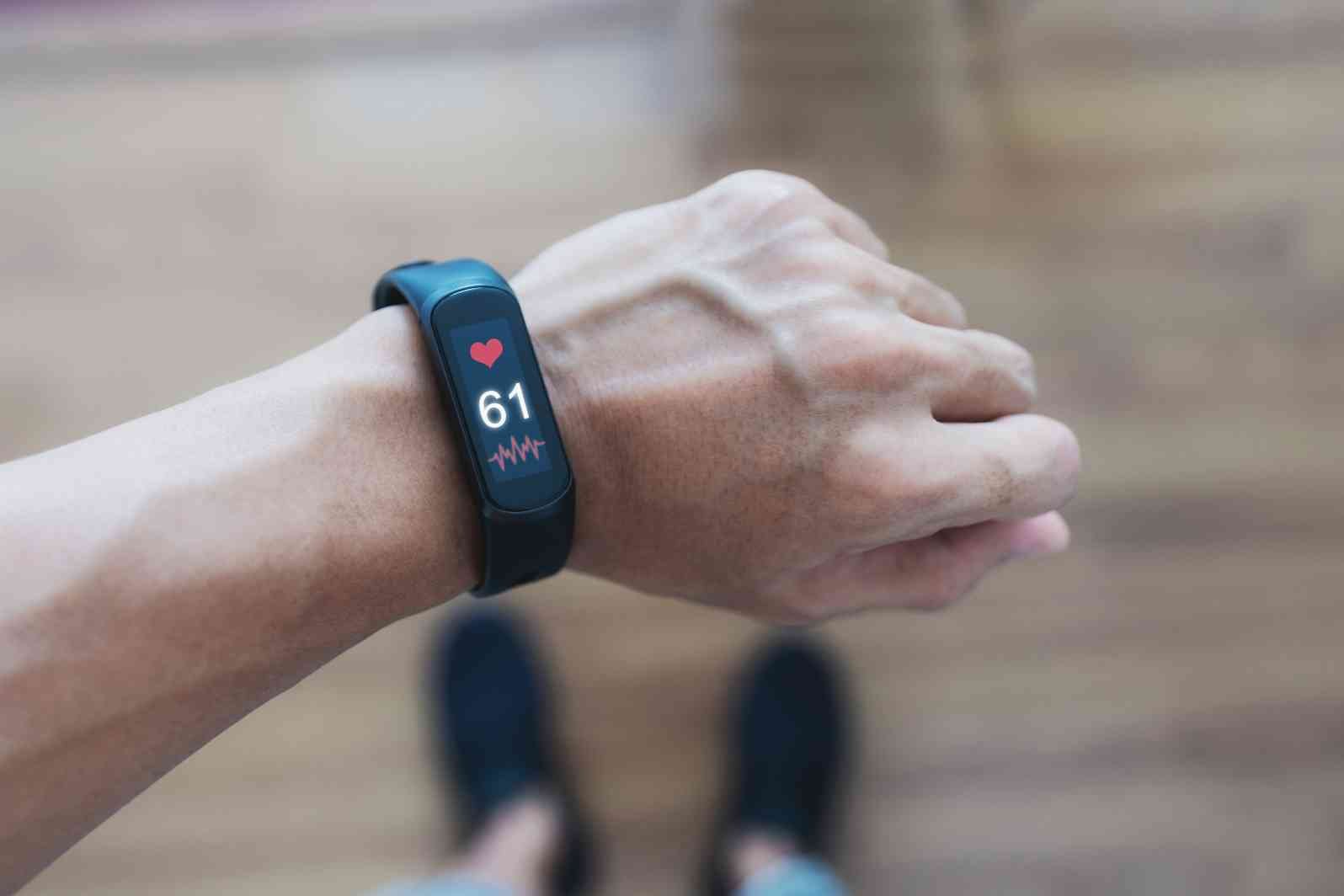
The importance of technology in personal health and wellness management is growing. Wearable health technology has seen massive growth in recent years as people search for more intelligent options to track fitness, manage their health, and optimise day-to-day life. Many people even now use smartwatches, fitness bands and health monitoring wearables across different ages.
Wearable health technology will assist the person in gathering live info concerning their physical activity, heart rate, sleep patterns, and general wellness. These devices are revolutionizing people’s personal health management, as it is easier and more convenient to trackdaily information regarding personal health. As technology progresses, wearable health devices are being incorporated into the modern lifestyle.
1. Understanding Wearable Health Technology
Wearable health technology is any electronic device that can be worn on the body to gather data for health and fitness purposes. These devices monitor a wide range of health parameters in real time using sensors and digital systems.
The most common types of wearables include smartwatches, fitness trackers, smart rings, and health monitoring bands.
2. Reasons Why People Use Wearable Health Devices
The ease of access to personal health information that wearable technology can provide has led many individuals to embrace it and integrate without making any major lifestyle changes.
Here are a few simple reasons that contribute to the growing popularity of wearable health technology:
- Real time health tracking
- Better fitness monitoring
- Improved wellness awareness
- Convenient health management
These advantages are driving increased daily usage of wearables.
3. Fitness and Activity Tracking
Whenever you demand on wearable devices, wearable electronics can monitor steps and how many calories were burned; an individual exercises exercise routines are also monitored to aid users in enhancing fitness level by tr11aining more physical activities during the day.
This keeps users engaging with it and makes sure fitness is a consistent habit.
4. Heart Rate and Health Monitoring
The likes of heart tracking, blood oxygen tracker and stress management features are now available with many smart wearables.
Such tools help users to be more aware of their physical condition and the effect on daily wellness.
5. Sleep Tracking and Recovery Insights
Sleep tracking has gained more popularity than any of the other wearables over time. Indeed, the devices can determine the duration, quality and patterns of recovery during sleep.
It improves their sleep habits and quality of life.
6. Support for Preventive Healthcare
The ability to wear something that can give users a sense of health problems before they escalate. It is important that if you track your health regularly so it will promote to improve the lifestyle and when a medical need arises early treatment can help.
Health specialists frequently pay attention to these key wearables features:
- Activity and fitness tracking
- Heart rate monitoring
- Sleep and recovery analysis
- Wellness and stress management
These features promote better habits for day-to-day life.
7. Integration With Mobile Health Apps
Most of the wearable devices are also connected to mobile apps where you have comprehensive records, fitness targets and wellness recommendations.
This allows to have more customized health management experiences.
8. Challenges of Wearable Health Technology
Wearable devices can offer a lot, but they also have certain challenges:
- Data privacy concerns
- Battery life limitations
- Device accuracy differences
- High technology costs
- Dependence on digital systems
Before relying on wearable health gadgets entirely, users should be aware of these aspects.
9. Effects through the Health and fitness industry
This advance in wearable technology will shape healthcare service requirements, change fitness programs and affect the wellness industry. Wearable-based data are leveraged by most fitness trainers and healthcare providers to support personalized recommendations.
This is ushering in data driven health management systems.
10. What Comes Next For Wearable Health Tech
The best part is that these wearable health devices are going to be a bit more sophisticated in the coming times. Augmented health monitoring through AI, advanced sensor technologies and personalised wellness management systems could also involve in the future process.
Early adopters of wearables often have the potential to better manage long term wellness.
Key Takeaways
Some more common examples of how wearable health technology is disrupting our day to day life — breaking down barriers in the convenience and accessibility of tracking health-related metrics. These smart wearables monitor fitness, track sleep and provide wellness management to help people stay alert about their physical health. With technology evolving rapidly; there is every chance that health wearables will play a more significant role in the future of modern healthcare and wellness routines.
FAQs:
Q1. What is wearable health technology?
It is used to refer to the wearable devices that monitor health and fitness data.
Q2. The question is why wearable health devices are getting popular?
They are helpful for health tracking, fitness monitoring, and gives wellness insights.
Q3. Which can brands call wearable devices fitness trainers?
Yes, they assist you to track activity levels and stick with out exercise goals.
Q4. Are wearable health devices accurate?
There are several devices capable of providing valuable health information, but the degree of accuracy varies across products.
Q5. Is wearable technology the future of health monitoring?
Wearable devices are going to become even more embedded into healthcare and wellness according to a majority of experts.
