

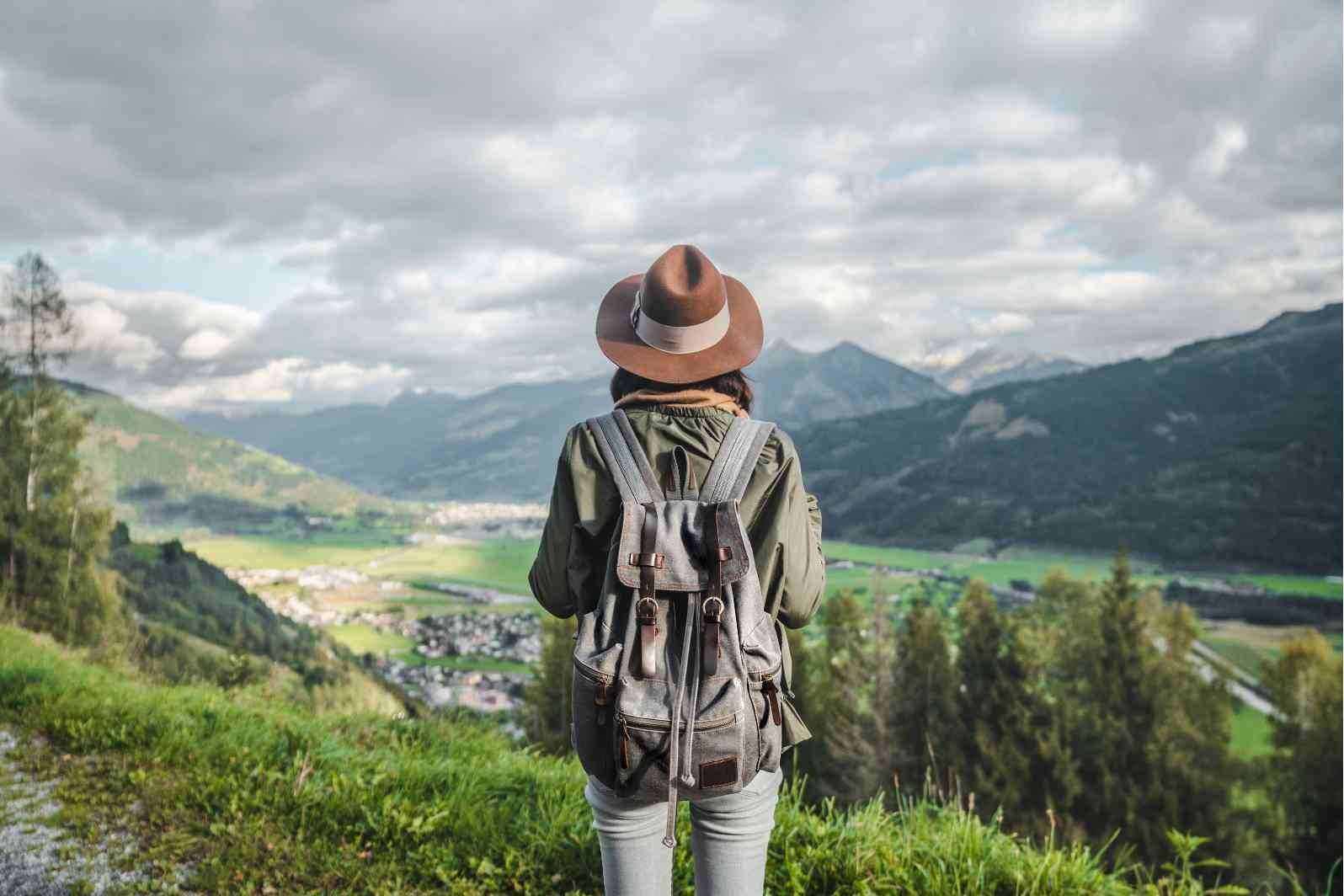
Travel trends continue to change as travellers shift their focus away from hurried getaways and busy tourist itineraries. These days, anyone who travels has grown accustomed to finding opportunities that provide more value to their trips by seeking out meaningful experiences that allow them to relax, immerse with local culture and fully explore destinations at a leisurely pace. That interest has translated to travelling slower and to a budding list of slow travel experiences around the globe.
That means slow travel, the idea that quality trumps quantity, and travelers should spend more time in fewer places. The new preference people have obtained for longer stays (instead of hopping from place to place); places with local experience; and the desire to travel more mindfully are all bringing warm changes in the industry. It is gaining traction with travelers looking for relaxation, intimacy, and a more wisely way of traveling.
1. Understanding Slow Travel
The slow travel style is about going slowly, meaning you spend more time based in one destination and dive into the culture on a more local level. It inspires plenty of free times, purposeful recreation, and genuine travels.
Travelers seek local food, walking neighborhoods, interacting with culture and a slower pace instead of multi-destination tick-lists.
2. The Rise of The Experience over Everyone
More and more people around the world are embracing slow travel since conventional rapid tourist can be stressful, tiring. Slow Travel: A Bigger Cracker, Making More Enjoyable and Mindful Destinations
Here are some of the key reasons as to why slow travels is on the rise:
- Reduced travel stress
- Better cultural experiences
- More meaningful journeys
- More maintable travelling and work life balance
These advantages are making people travel slower and more deliberately.
3. Deeper Cultural Connection
Slow travelers tend to have longer periods of interaction with local communities, traditions and lifestyles. This creates a paradox in which more genuine cultural experiences are created.
Travelers can learn more about local life, food and cultural customs.
4. Focus on Relaxation and Wellness
Having less packed schedules moving from one destination to another also helps with relaxation, allowing for slow travel.
Relaxed quiet environments, nature and wellness to even less polluted experiences during trips are now the flavour of many a traveller.
5. Longer Stays and Flexible Travel
Today, the trend is a very long stay in one place instead of short vacations. It lets travelers fall into local rhythms, and explore destinations more fortuitously.
This has also been aided as we have moved into a digital lifestyle working more remotely.
6. Sustainable and Responsible Tourism
Slow travel is frequently more eco-aware by minimizing transportation and maximizing local patronage.
Travel experts often write about this travel habits that lead to slow travels:
- Investing in fewer destinations and spending more time there.
- Supporting local communities
- Choosing meaningful experiences
- Traveling with less stress and pressure
Such patterns lead to more even travel experiences.
7. Nature and Country Tourism Expansion
Slow travel is not about tourist cities, so many slow travelers love rural/changing rhythm places instead of popular tourists-flooded cities countryside destinations, small town and coastal villages or places focused on nature.
It helps to relax and connect more firmly with nature.
8. Challenges of Slow Travel
While slow travel comes with plenty of advantages, it also has some drawbacks:
- Longer travel planning requirements
- Increased cost of accommodation for longer stay
- Some travellers have a limited time frame –
- Remote work balance difficulties
- Language and cultural adjustment challenges
That is why slow travel experiences usually need travelers to develop flexible schedules and spend more time.
9. Impact on the Travel Industry
2019 SLowers delays and calms down the pace of things: it is really affecting trends in tourism, hospitality services, destination marketing. Hotels, travel companies and local operators are providing wellness-, culture- and longer stay-oriented experiences.
Which changes the way we design and market modern tourism.
10. The Future of Slow Travel
As travelers become more interested in wellness, sustainability and experiential travel, slow travel is projected to became a trend that is here to stay. This may include, but is not limited to, eco friendly tourism, digital nomad lifestyles and wellness focused destinations.
People that have embraced slow travel most likely will have more pleasant and balanced journeys.
Key Takeaways
Travel experiences that are slow remind travelers to rest, practice local culture, and share meaningful journeys. Slow travel, on the other hand, is a great solution to rushed tourism as it provides a healthier alternative in the way of travel with focus on wellness, sustainability and mindful practice. With current developments in the world of travel, slow travel is projected as one of the most important trends for tourism globally.
FAQs:
Q1. What is slow travel?
Slow travel is a niche style of travel that allows you to spend more time in fewer destinations for a deeper experience.
Q2. Why is slow travel becoming popular?
It was self-restorative, community-based, and less stressful to travel.
Q3. What is the relationship between slow travel and wellness?
This limits the need to travel and give yourself more time for relaxing moments and mindful experiences.
Q4. Is slow travel connected to sustainable tourism?
In many cases, it not only favors local businesses but also eco-friendly travel habits
Q5. Will slow travel work for a remote worker?
Yes, a lot of remote workers are pairing the flexibility of work schedules with longer travel stays.
