

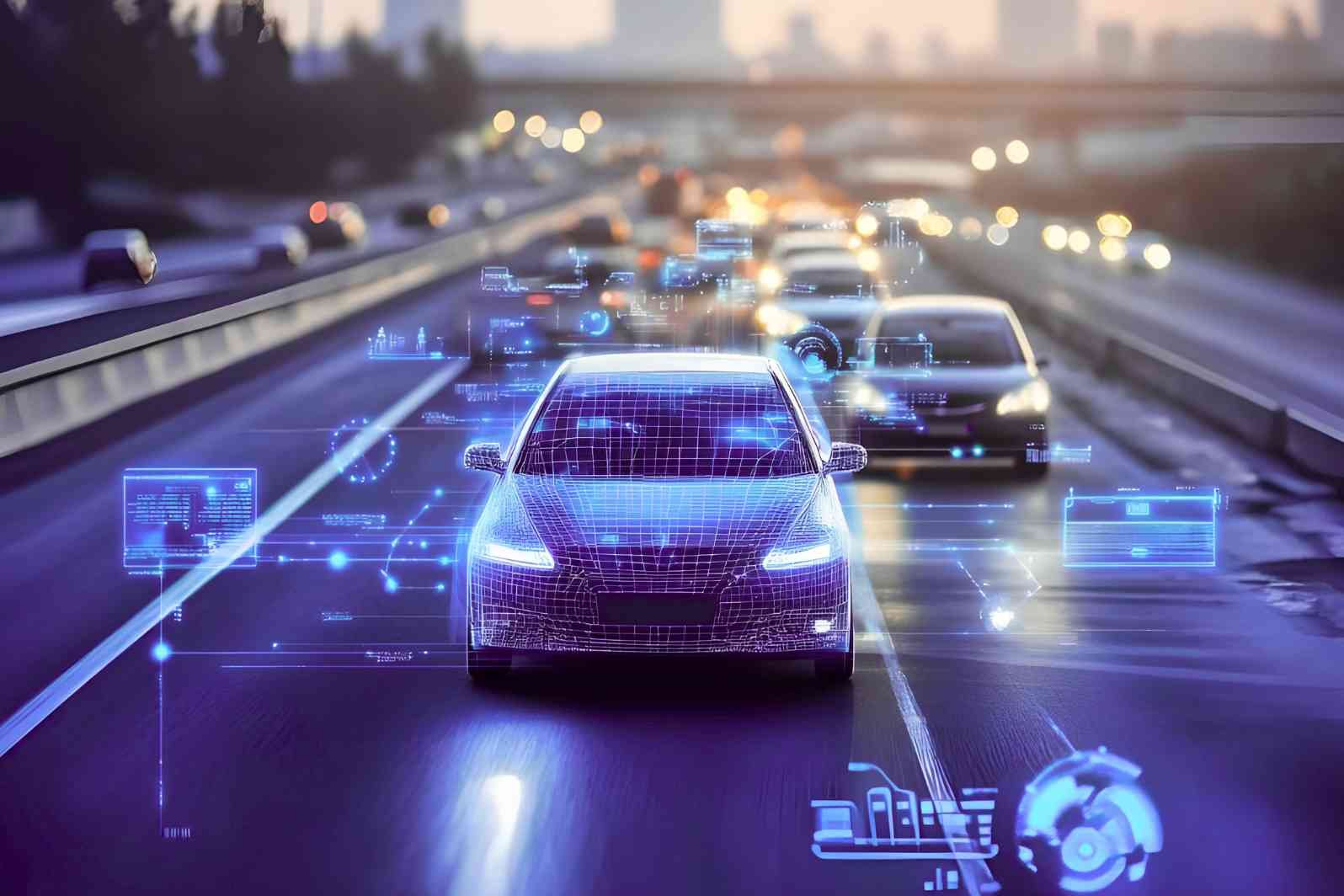
The automotive sector is undergoing significant technological transformations with vehicles becoming more interconnected, smart and digitized. The software defined vehicle stands as one of the largest developments in recent years. Modern vehicles are what they are because of software systems that help manage performance, safety, entertainment and driving features.
In contrast to conventional vehicles which rely mostly on mechanical systems, software defined vehicles utilize digital platforms and continuous software updates as a way to enhance functionality. This transformation is altering the way vehicles are designed, maintained and experienced by the driver. With the new advancement of automotive technology, software defined vehicles are becoming a major segment in future transportation domain.
1. Understanding Software Defined Vehicles
Software defined vehicles are a new type of automobile in which software defines and controls much of the basic functionality. Θat would include navigation, safety systems, Infotainment, battery management and driving assistance technologies.
Instead of many physical components with various upgrades, manufacturers are able to simply send software updates that improve vehicle performance.
2. Why the Auto Industry Is Adopting Software Defined Vehicles
Software driven technology enhances flexibility, innovation and customer experience thus automotive companies willing to invest more in it in the future. Manufacturers are able to introduce new features faster, thanks to software system.
Companies are transitioning to software defined vehicles for a number of key reasons:
- Improved vehicle functionality
- Faster software updates
- Better driver experience
- Advanced safety features
All these advantages are fostering transformation in automotive for digitization.
3. Over the Air Software Updates
The key benefit of software defined vehicles is the updates over the air This enabled faster remote enhancement of vehicle systems, fixes to existing software issues, and the introduction of new features without mandated dealership visits.
It brings more comfort to car drivers.
4. Enhanced Vehicle Safety Systems
In fact, modern software systems these days support high-tech safety features like driver-assist, collision detection with automated braking and lane monitoring.
Such features enhance both road safety and driver confidence.
5. Better Connectivity and Smart Features
Connected services such as navigation systems, voice controls, mobile applications and cloud based services are an integral part of a software defining vehicle.
This provides for a more intelligent and customized driving conditions.
6. Support for Electric and Autonomous Vehicles
Software is an inextricable part of electric vehicles and next gen autonomous driving systems, perhaps even more so than hardware. Advanced software is key to battery performance, charging management, and self driving.
Here are some key vehicle technologies automotive experts often elaborate on:
- Advanced driver assistance systems
- Vehicle connectivity platforms
- Battery management software
- Remote software updates
The future of transport hinges on those technologies.
7. Improved Vehicle Customization
Software interface for personalization of vehicle settings, entertainment systems and digital controls.
This enables the manufacturers to offer comparatively more flexible customer centric experiences.
8. Challenges of Software Defined Vehicles
Software defined vehicles have many benefits but they also introduce some challenges:
- Cybersecurity risks
- Software maintenance complexity
- High development costs
- Data privacy concerns
- Need for constant system updates
This means it takes a lot of literally cash to build secure, reliable technology systems.
9. Impact on the Automotive Industry
These Software defined vehicles are changing vehicle manufacturing, maintenance and customer service models. More and more automakers are employing software engineers and technology specialists in addition to auto experts.
It is making a firm connection between the auto world and tech world.
10. The Future of Software Driven Transportation
As automotive technology advances, so to is the software defined vehicle expected to continue growing. Then vehicle capabilities could be further extended using technologies like artificial intelligence, cloud computing and autonomous driving systems.
Early companies that invest in software driven innovation may reap significant competitive advantage.
Key Takeaways
Digital technology, remote updates, safer systems and smarter driving experiences are all part of what software defined vehicles (SDVs) are building in the automotive sector. As vehicle technology is taken in a connected, software focused direction, the future of transportation is sure to become more sophisticated and efficient than ever before. Because of this transition, significant opportunities are arising for automakers and technology firms alike.
FAQs:
Q1. So what is a software defined vehicle?
The software defined vehicle refers to a new class of vehicle that utilizes advanced software systems to control and optimize many of the car’s functions and features.
Q2. What is the necessity for an automaker to invest in a software driven vehicle?
They boost flexibility, safety, connectivity and customer experience.
Q3. Over the air updates in vehicles?
They enable manufacturers such as Tesla to update the software of vehicles remotely without the vehicle owners having to go into a dealership.
Q4. Software defined vehicles connected to electric vehicles?
All electric vehicles are essentially software-driven services that manage batteries and systems.
Q5. What are the challenges in the path to software defined vehicles?
Top Pain PointsCybersecurity risksSoftware maintenanceData privacy
