

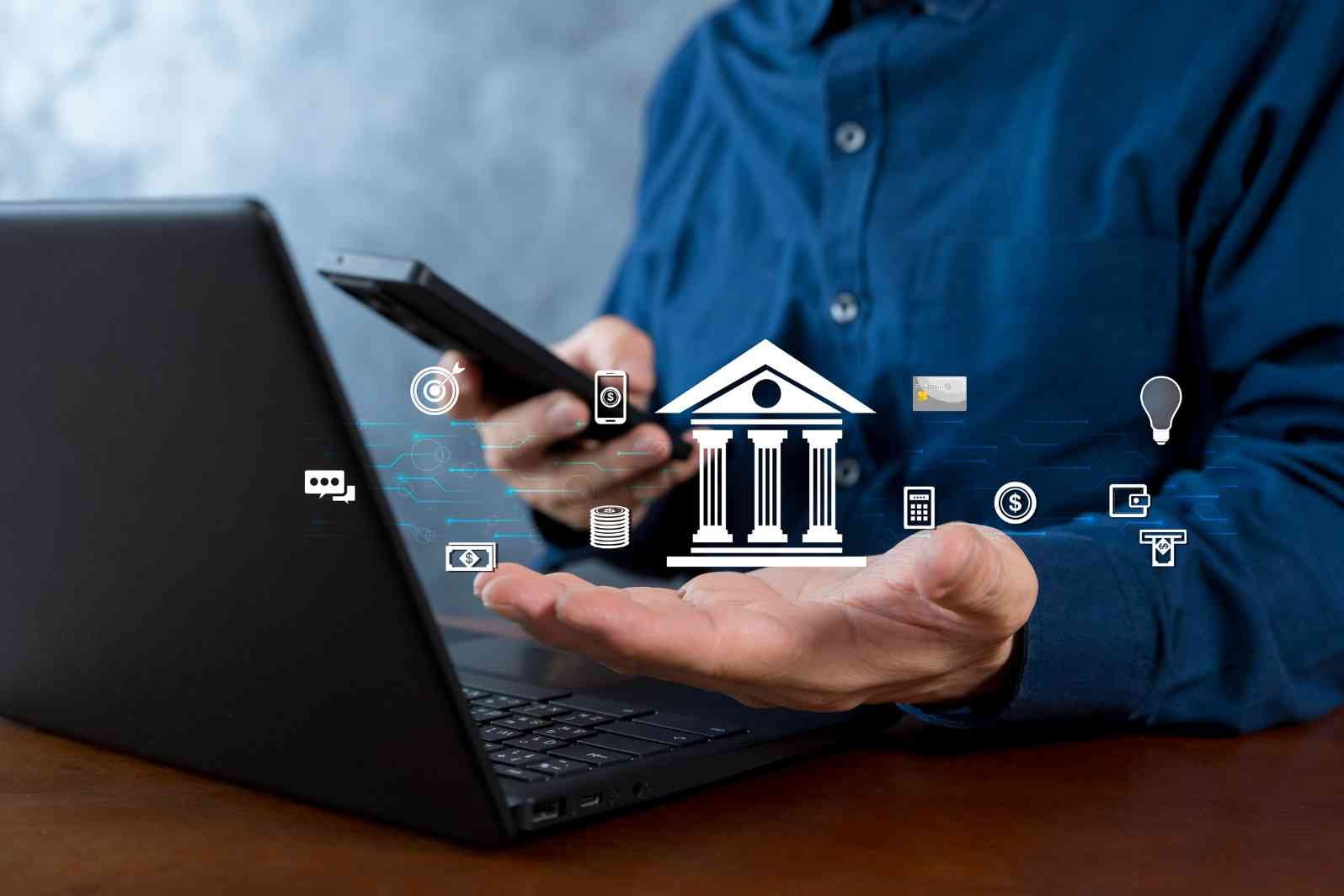
Digital technology is also reshaping the financial industry because it changes how people track their finances and interact with cash. People and companies are giving up on cash payments and tangible banking steps for digital banking programs, like digital wallets and contactless bills. This type of shift is making for a much more rapid, safe, and easier experience financially.
With the advent of digital banking and cashless transactions, it is becoming a part and parcel of life. Mobile banking apps, online payment systems, contactless cards and digital wallets enabling users to perform financial activities from anywhere. As technology advances, digital finance is likely to be a much greater part of the future economy.
1. Digital Banking and Cashless Payment : How It Works
Digital banking is the provision of financial services through online channels and mobile applications as opposed to the traditional brick and mortar type of branches. Digital payments, Payment methods that does literally what they say replace the need for cash transactions.
It enables its users to transfer the money, pay the bills, shop online alongside the financial management service.
2. What Consumers Can Expect From Digital Banking
Digital banking is a key trend of the day as more and more people use it now due to its convenience, speed and better financial access. Allowing customers to perform their banking activity 24/7 without stepping into a branch.
Key Reasons Digital Banking on the rise:
- Faster financial transactions
- Better banking convenience
- Improved payment security
- Mobile financial services with easier access
Those benefits are promoting more broader adoption of digital payments.
3. Growth of Mobile Banking Applications
Mobile banking apps enable users to view balances, transfer money, manage accounts and monitor spending via mobile devices such as smartphones.
This will make finances onion and also using vouchers in daily life easier.
4. Contactless and Digital Payments
Cashless payment systems like digital wallets, QR code payments, and contactless cards have started becoming the norm in retail outlets and online shopping.
Such payment options work quicker and help for smooth transactions.
5. Better Financial Accessibility
This is enabling people with great difficulty get into the world of financial systems, especially in regions where traditional banking options are limited by infrastructure.
The wider financial inclusion is supported by online financial services.
6. Improved Transaction Security
Payment systems run through encryption, biometric verification, and fraud detection systems help ensure secure transactions with modern digital banking platforms.
These are the key digital banking features typically gained focus by financial gurus.
- Secure online transactions
- Mobile banking convenience
- Contactless payment systems
- Fraud monitoring and protection
These capabilities enable better customer trust and financial security.
7. Assistance with E Commerce and Online Businesses
Digital Payment Digital payment is a system that helps e commerce business and all other online businesses for expansion. Customers can make transactions in a matter of seconds and without physical cash.
This increases efficiencies in trade today.
8. Digital banking and cashless system challenges
That said, digital finance comes with many advantages but also a fair share of disadvantages:
- Cybersecurity risks
- Internet dependency
- Digital fraud concerns
- Technology accessibility issues
- Privacy and data protection challenges
Financial institutions need to continue enhancing system stability and in reliability.
9. Impact on the Financial Industry
Digital banking is changing how banks and financial institutions operate. Many banks are investing heavily in financial technology, AI systems, and mobile services.
Such a financial environment is increasingly heading on the technology side.
10. The Future of Digital Finance
Digital banking with cashless transactions will remain a global growth sector. AI enabled banking, blockchain payments and improved digital wallets may be part of the financial ecosystem of tomorrow.
Early adopters among businesses and consumers, from seamlessness and efficiency.
Key Takeaways
The digital banking ecosystem makes the way to cashless transactions in the world of finance, allowing us greater convenience, speed, access and payment security. New-age financial technology is transforming the way money is managed, from mobile banking apps to contactless payments and digital wallets. With the circular economy being redesigned with cashless systems, and as digital finance continues to develop and become even more central to the economy of our future.
FAQs:
Q1. What is digital banking?
Digital banking means the financial services you give through digital platforms smartphone or online.
Q2. What are cashless transactions?
Cashless transaction is payement made through digital methods rather than physical cash.
Q3. What is driving the rise of digital payments?
They are fast, easy to use and guarantee safe money transfers.
Q4. Are digital banking systems secure?
Most contemporary banking platforms use cutting-edge security and fraud defense technologies.
Q5. Is the world moving toward cashless economies?
Most experts claim cashless transactions will keep rising at a global scale.
