

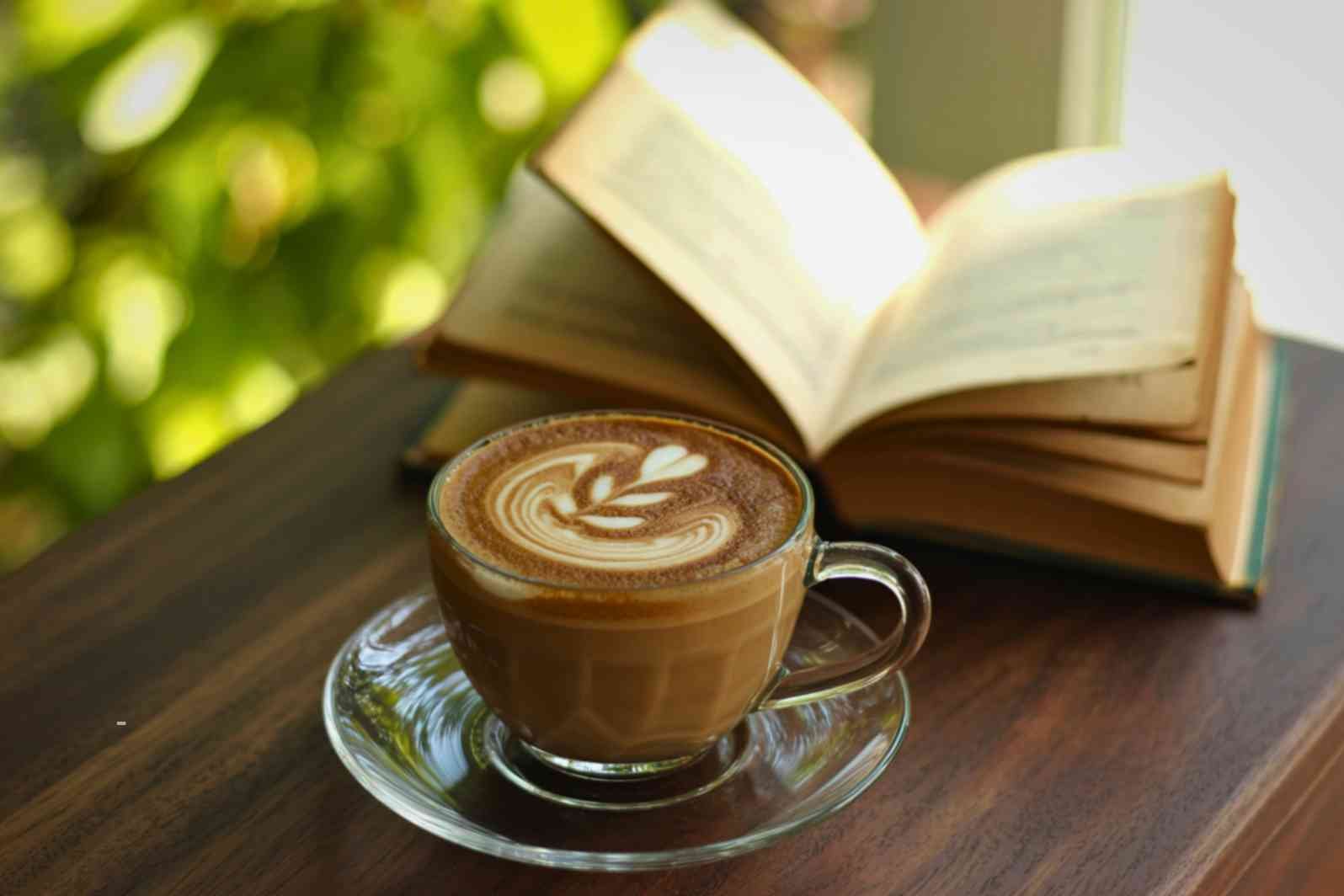
Because of technology, social media and continuous digital connectivity modern day has become faster and complicated. Every day, people spend increasing amounts of time online, manage busy schedules, and face persistent information overload. Inevitably, a lot of people are now trying to adapt the slow living philosophy in order to create a life that is more balanced and worthwhile.
Slow living is all about simplicity, mindfulness, and intentional day-to-day practices. People are moving away from a Driven Life to a Well-Lived Life, sometimes without the care of always being busy, instead focusing on mental wellness, personal relationships and time for relaxation or healthy routines. We are witnessing a growing popularisation of this lifestyle phenomenon, as people seek peace and balance in an increasingly interconnected digital world.
1. Understanding Slow Living
Slow living is a lifestyle messaging that advocates one to do less, but with more purpose. It encourages mindful rituals, lowers stress levels and time spent more purposefully.
The lifestyle includes simple steps like reducing screen time, indulging in hobbies, cooking at home and building healthy habits during the day.
2. The Rise of Slow Living
With stress, burnout, and mental exhaustion often the result of modern digital lifestyles, slow living is a new approach being adopted by more people. People are searching for improving emotional well being and work life balance.
Reasons for the rise of slow living include:
- Reduced stress levels
- Better mental wellness
- Improved personal relationships
- More meaningful daily routines
These benefits are inspiring individuals to slow down and adopt healthier lifestyles.
3. Reducing Digital Overload
There is a large amount of information, notifications, and social media that you can touch at any moment. Slow living, or the act of enjoying life at a slower pace than is normal for an individual.
This can assist with mental clarity and sharpened focus.
4. Creating Mindful Daily Routines
Slow livingPeople who practice the slow life pay more attention to habits such as eating, exercising, resting and spending time with their family.
Routines that feel nourishing enhance balance and meaning in our lives.
5. Emphasis on Mental and Emotional Health
Slow living encourages the practices that help with emotional well-being such as meditating, reading a good book or journaling and spending time outdoors.
These patterns help lower anxiety and improve general well0045being.
6. The Keys to More Simple and Layout for Better Living
Most people that practice slow living also like a calm home and interesting an organized home. The cozy interiors with natural materials encourage comfort and ease with minimal distraction.
These great slow living habits that lifestyle experts tend to highlight:
- Limiting unnecessary digital use
- Prioritizing personal well being
- Creating balanced daily routines
- Spending time on meaningful activities
These habits support healthier lifestyles.
7. Better Work Life Balance
Living slowly promotes better work life balance. A lot of people are telling me it is time to rest, spend more time with family and do less work.
This leads to better physical and mental health.
8. Challenges of Adopting Slow Living
There are many advantages to living slow, but there are also some disadvantages:
- Busy work schedules
- Digital dependency
- Social pressure for productivity
- Difficulty changing daily habits
- Limited personal time
Many people require small step adaptations to incorporate slow living into their lives.
9. Impact on Modern Lifestyle Trends
The imperative of how extreme can’t be overstated — the slow living movement to strategies we can realize home design and house wellness and travel when it comes to make shifts in our consumer behaviour. People are opting for experiences that promote relaxation and personal well-being.
This is leading to a move towards a more health-conscious way of living.
10. The Future of Slow Living
As a modern antidote to digital lifestyles, Slow living is likely to further grow in popularity. With the rise in awareness for health around these issues, practices focused on wellness, mindful technology use and healthier home environments may really take off in 2023.
People who adopt balanced/chill living habits will have better long run wellness and life contentment.
Key Takeaways
With the fast pace of the world nowadays, especially with how dependent we have become on technology, slow living is a trend that is catching up to help people be less stressed out and improve their mental well-being and design healthier everyday habits. Mindfulness and simplicity lead to better balance and comfort. With the evolution of modern lifestyles, slow living is most likely a lifestyle trend that not going anywhere soon.
FAQs:
Q1. What is slow living?
Slow living is a lifestyle prioritizing mindfulness, balance, and intentional practices every day.
Q2. Why is slow living becoming popular?
Consumers are adopting it for stress relief, wellness, and to balance digitally distracted lifestyles.
Q3. But, how does slow living improve mental health?
It promotes relaxation, slow morning rituals and less screen time.
Q4. Is a slow living the answer to balance our work life?
Yes it guides people to build better boundaries for life and work.
Q5. Double Is Slow Living Right For The Modern Lives?
Of course, to the healthy and well-balanced lifestyle that people have made it a part of their habits daily is how lots of people today adapt slow living.
