

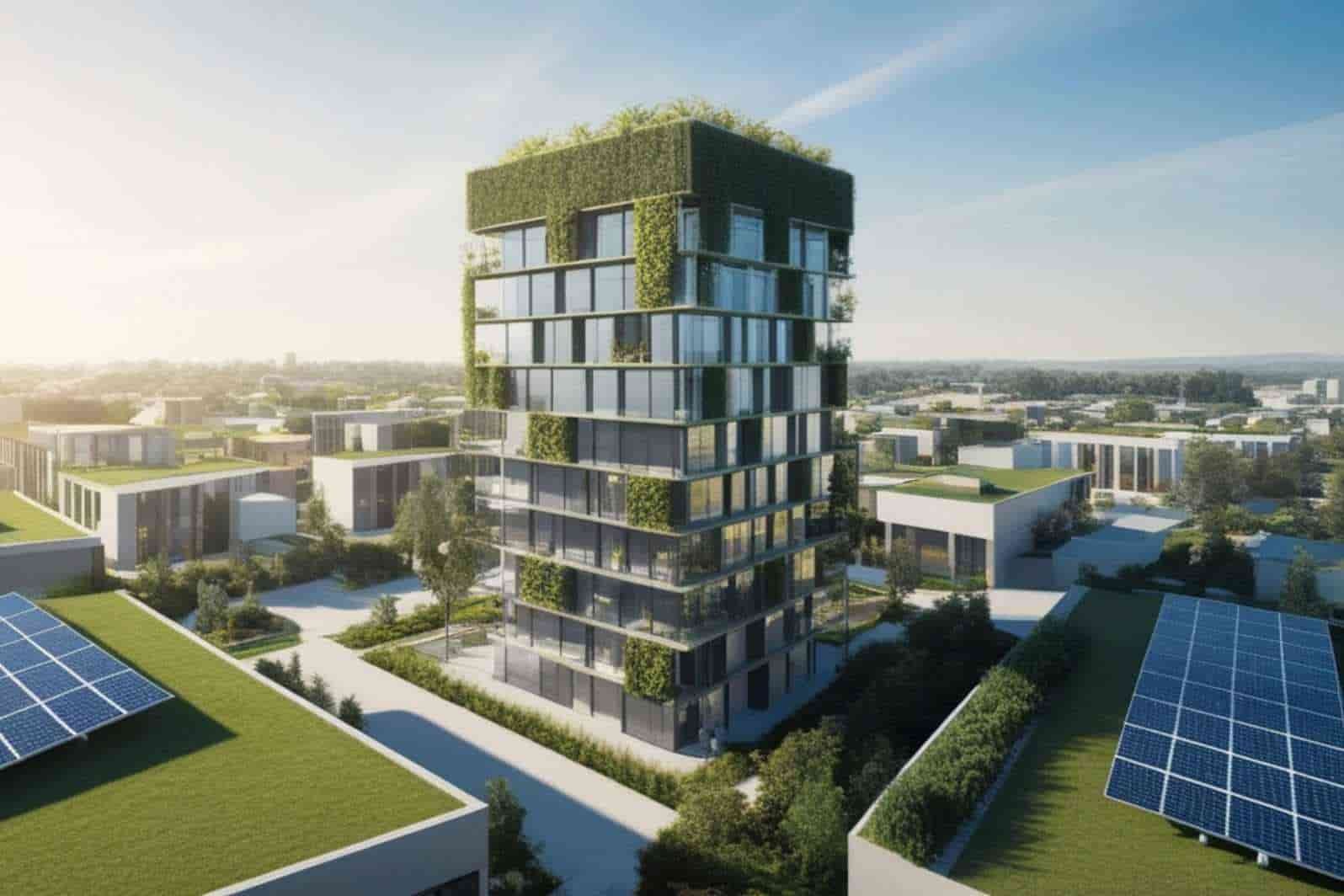
The real estate market is evolving, with investors shifting focus to environmental sustainability and long-term value. Sustainable real-estate as modern property construction that utilizes energy efficiency, environmental awareness, and cost savings has caught the interest. Investors have started to realize the cash on cash and future growth opportunities associated with sustainable properties.
Eco friendly buildings have also gained more attention from modern buyers, tenants and businesses looking for energy efficient spaces. Thanks to this growing demand, developers and investors are putting more effort into sustainable real estate investments. With increasing recognition of the relationship between climate change, resource management and sustainable development, sustainable real estate is emerging as an important component of the property market.
1. Understanding Sustainable Real Estate
Sustainable real estate includes design, development, and management of properties in an environmentally responsible manner. They include common principles but are usually geared towards creating buildings with energy efficient technologies, lower waste and water consumption, as well as green building materials.
To create a healthy and efficient living space or employee accommodation that you will also be in on at the end of the day.
2. Why Investors Are Investing in Sustainable Properties
With operating cost-saving potential and continued strong market demand, sustainable real estate is naturally appealing for investors. Healthy buildings are perceived as long term investments with stable valuation.
Top reasons investors are turning to sustainable real estate include:
- Lower energy costs
- Higher property demand
- Better long term value
- Positive environmental impact
With these benefits, investor interest in sustainable projects is rising.
3. Increasing Demand for Sustainable Buildings
Homebuyers as well as companies have largely gravitated towards structures setup with energy efficient systems and green designs. The growing need for this is making eco-friendly real estate more and more mainstream nowadays.
Green features in a property often result in both increased occupancy and interest from great buyers.
4. Energy Efficiency and Cost Savings
Smart temperature control systems, energy performing lighting and renewable energy solutions are some of the common examples of sustainable buildings.
These features can further reduce electricity and maintenance expenses to the advantage of property owners and tenants.
5. Government Support and Regulations
Various governments are promoting eco-friendly construction such as by providing various environmental regulations, tax benefits, and green building incentives.
They are expanding the sustainable real estate market with such support.
6. Long Term Investment Stability
Because you know Environmental awareness continue increasing, that is why sustainable properties are considered to be solid long term investments.
These are the key aspects of sustainability, that real estate experts usually focus on:
- Energy efficient design
- Water conservation systems
- Eco friendly construction materials
- Smart building technology
Such features enhance the value of a property in the long run.
7. Better Tenant and Buyer Appeal
The latest tenants and buyers are often more inclined towards healthier, greener, and cleaner spaces. The sustainable buildings will be that they have better indoor air, natural lighting and a contemporary living style and all
This makes properties more appealing in markets that are competitive.
8. Challenges of Sustainable Real Estate
Sustainable real estate brings numerous advantages, however there are also certain challenges as it relates to sustainability in real estate:
- Higher initial development costs
- Need for specialized construction methods
- Technology integration expenses
- Regulatory compliance requirements
- Limited awareness in some markets
These challenges require proper planning from developers and investors.
9. Effect on the Real Estate Industry
In the entire real estate sector, sustainability will continue to have a significant impact on property development and construction methods as well as investment strategies. Increasingly, green building practices have been included in the projects by many companies.
Which is creating a switch towards more eco-friendly property improvement.
10. The Future of Sustainable Real Estate
With environmental concerns and energy efficiency on the rise, sustainable real estate is likely to be an ever-growing market. Future developments in properties may bring us smart building systems, renewable energy and green technology.
Investors in sustainable projects that overlap with their core units early may enjoy the strongest longer term of opportunities.
Key Takeaways
Sustainable real estate is seeing a rise in interest because it provides energy efficiency, long-term value and increasing market demand. Eco friendly buildings are a win in terms of costs and an enviromentally sustainable effort. Sustainability has and will continue to be a big part of the global narrative with green real estate likely making a significant impact in future property markets.
FAQs:
Q1. What is sustainable real estate?
Sustainable real estate is the collection of environmentally responsible and resource-efficient land use throughout a property’s life-cycle.
Q2. So, Why Are Investors Targeting Sustainable Properties?
Lower operating costs, high demand and long term value attract investors.
Q3. Where are some of the features of a sustainable buildings?
Usually, these homes are fitted out with energy efficient systems, sustainable materials and water conservation features.
Q4. Is it expensive to develop sustainable properties?
In the short run, they tend to cost more than a less efficient item but they deliver savings in cash and value in terms of utility over time.
Q5. Will Sustainable Real Estate be the Future of Property Investment?
The consensus seems to be that sustainable real estate will only gain in prominence over the years.
